If you have ever stared at a spinning loading icon on a shaky 4G connection while trying to deposit funds, you know the frustration. In the world of mobile gaming, seconds are everything. If an app takes longer than three seconds to process a payment, you’ve lost the user. As someone who has spent the last nine years refining onboarding flows and payment UIs, I can tell you that the difference between a high-retention fantasynameworld.com app and one that gets uninstalled in a week isn't the number of games—it’s the efficiency of the checkout process.
Today, we are dissecting how integrated digital wallets have moved from a "nice-to-have" feature to the backbone of mobile-first casino design. When platforms like MrQ refine their user journey, they aren't just thinking about the game; they are thinking about the bridge between the player's capital and the live-streamed table.
The Shift to Mobile-First Payment Architecture
The transition from desktop to smartphones and tablets was not just about resizing images. It was about re-architecting how users interact with sensitive data. Desktop casinos often relied on legacy "cashier" windows that felt like separate, clunky browser tabs. On mobile, that friction is lethal.
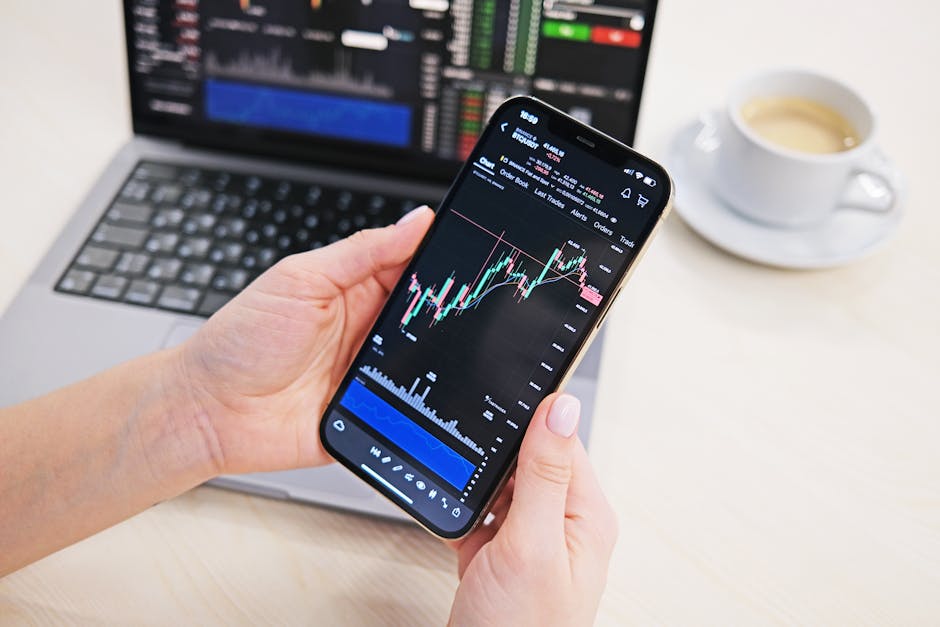
Integrated digital wallets changed the game by allowing the app to handle the transaction within the existing UI session. Instead of redirecting a user to a third-party banking site—which often triggers a browser context switch that risks a connection drop—the wallet leverages tokenization to facilitate secure transactions directly within the app.
For the user, this means:
- Biometric authentication: Using FaceID or fingerprint scanning instead of manual password entry. Reduced input fields: No more typing 16-digit card numbers on a tiny glass screen. Contextual persistence: Keeping the user inside the live stream while the transaction happens in the background.
Infrastructure: The Role of Cloud and Low Latency
You cannot discuss modern mobile casinos without mentioning the cloud. Real-time live dealer engagement requires massive bandwidth and, more importantly, consistent low latency. When you are interacting with a human dealer in real-time, the "tick" of the clock matters.
Industry outlets like TechCrunch have frequently covered how mobile app performance is directly tied to server-side infrastructure. For casinos, this means moving game servers closer to the user via edge computing. If your integrated wallet is slow, it breaks the "flow state" required for live streaming. We are not talking about "next-gen" magic here; we are talking about robust API calls that ping secure servers in milliseconds rather than seconds.

Why Load Time Is the Ultimate UX Metric
I maintain a strict personal rule: if an app’s payment portal takes more than two seconds to load on mobile data, the architecture is fundamentally flawed. In the context of a live casino, a slow deposit UI ruins the synchronicity of the game. If the stream is live and the betting window is closing, a laggy wallet is effectively a broken product.
Live Dealer Engagement and the Seamless Flow
The goal of any high-quality mobile casino is to make the payment process invisible. When a user is immersed in a live-dealer environment, they are tracking the movement of cards or the roll of a wheel. They do not want to see a "processing" screen for thirty seconds.
By using faster deposits via integrated wallets, developers ensure that the user remains engaged with the stream. The chat feature—often powered by low-latency WebSockets—should continue to flow even while the wallet overlay is active. If the chat freezes or the stream stutters because the wallet is pulling too much memory, the user feels the "transaction tax" of the app. It’s a friction point that most players will only tolerate once.
Comparing Payment Methods: The UX Perspective
To understand why digital wallets have become the industry standard, we need to compare them against traditional methods that still plague some legacy platforms.
Feature Legacy Card Entry Integrated Digital Wallets User Effort High (Typing required) Minimal (One-tap/Biometric) Context Switching Frequent (Redirects) None (Embedded UI) Transaction Speed Slow (External verification) Fast (API-based tokenization) Security Perception Low (Risk of keyloggers) High (Tokenized/Encrypted)Common UX Pitfalls and Friction Flags
Throughout my nine years in this industry, I have compiled a list of "signup friction" red flags that I still see developers trip over. When evaluating a mobile casino, look for these common mistakes:
Forced Navigation: If the wallet UI forces you to leave the main lobby or the live stream, it’s a design failure. The best wallets are modular components (overlays) that float above the primary game state. Excessive Form Validation: Nothing kills a conversion like a form that rejects your input after you’ve already typed it. Integrated wallets should use pre-filled data via the user’s mobile OS. Obscure Error Messages: If a transaction fails, it should be clear why. "Transaction error" is a buzzword-laden way of saying "we didn't bother to program clear feedback." Lack of Visual Feedback: When a user taps "Deposit," the UI must immediately acknowledge the request with a subtle animation. If the screen hangs for a second, the user will tap it again, potentially creating double-charge issues.
The Future: Stability Over "Next-Gen" Buzz
The industry loves to throw around buzzwords. They talk about "revolutionary" platforms and "AI-driven" experiences. As a product analyst, I ignore that. What I look for is stability. I want to see platforms investing in better cloud infrastructure, cleaner API integrations, and faster UI rendering.
The success of companies like MrQ proves that users don’t want over-engineered bells and whistles. They want a platform that respects their time. When you are on your smartphone, you are likely in a public space, on a train, or taking a quick break. You don't have time for a three-page deposit flow. You want to deposit, play, and potentially withdraw without being locked into a labyrinthine UI.
Final Thoughts
Digital wallets on mobile casino platforms have become the most critical component of the user experience. By focusing on secure, integrated, and lightning-fast transactions, developers can reduce the friction that leads to high drop-off rates. If you are building or choosing a mobile casino, don't be distracted by marketing jargon. Look for the technical foundation: how the app handles your data, how it integrates with your wallet, and how it handles the latency of a live feed.
If the app feels like it was designed for a desktop computer and just "shrunk down" for your phone, it’s already behind. The future belongs to apps that treat mobile bandwidth and screen real estate as the premium assets they are.