If you have ever stood on a rainy platform at Waterloo station, trying to navigate a banking app that keeps timing out while you watch your train pull in, you know the absolute truth of modern finance: if it isn’t fast, it isn’t trusted.
For years, we were told that security meant friction. We were told that if you wanted to keep your money safe, you had to jump through hoops—three-factor authentication, endless pop-ups, and password resets that felt like a test of character. But the landscape has shifted. Today, the most secure apps are the ones that get out of your way. We have arrived at a point where "trust and convenience" aren't just related; they are effectively the same thing.
The Death of the "Desktop Era" Mindset
Remember sitting at a desktop computer to pay a bill? You’d wait for the machine to boot up, load the browser, find the bookmark, and log in with a password you had scribbled on a post-it note. That legacy experience was built on the idea that "banking is serious," and serious things are meant to be done at a desk.
But that’s not how we live now. We live in the gaps. We pay for a subscription while waiting for a coffee, we top up our accounts while sitting on the bus, and we move money during a three-minute lunch break. When you are operating in these short, high-pressure windows, a "smooth payment experience" isn't a luxury—it’s a prerequisite for trust.
If an app takes ten seconds to load, I don't just think it's slow; I think it's poorly built. And if it's poorly built, I immediately assume the security is equally ropey. That is the fundamental psychological shift of the smartphone-first generation. Efficiency is the new hallmark of reliability.
How Smartphone-First Accessibility Changed the Rules
The transition to smartphone-first design has forced companies to stop hiding behind long-winded legal disclaimers and clunky menus. When you only have five inches of screen real estate, you have to be precise. You cannot hide a clunky payment flow behind a wall of text.
This has led to the rise of what I call "invisible payments." Think of how we pay for transport or digital services now: biometrics, saved cards, and one-tap confirmations. By removing the physical act of typing in a 16-digit card number, these apps remove the room for error. When I use FaceID to confirm a payment, I feel an immediate sense of "secure transactions" because the system feels intentional and modern. It doesn’t feel like I’m leaving my digital wallet open on a public table; it feels locked, loaded, and private.
The Problem with Clunky Onboarding
Nothing kills trust faster than a long, drawn-out onboarding process. We’ve all been there: you download an app, you’re excited to use it, and then you’re met with a 15-step registration form asking for your mother’s maiden name and a scan of your birth certificate before you’ve even seen the dashboard.
That isn't "thoroughness." That is a sign that the company is stuck in 2005. If an onboarding process is slow, it signals that the back-end infrastructure is fragmented. Modern users have a sixth sense for this. If you can’t make the account setup feel snappy, I am not going to trust you with my actual cash. Good onboarding should be conversational, fast, and transparent about exactly what it needs.
The Intersection of Entertainment and Finance
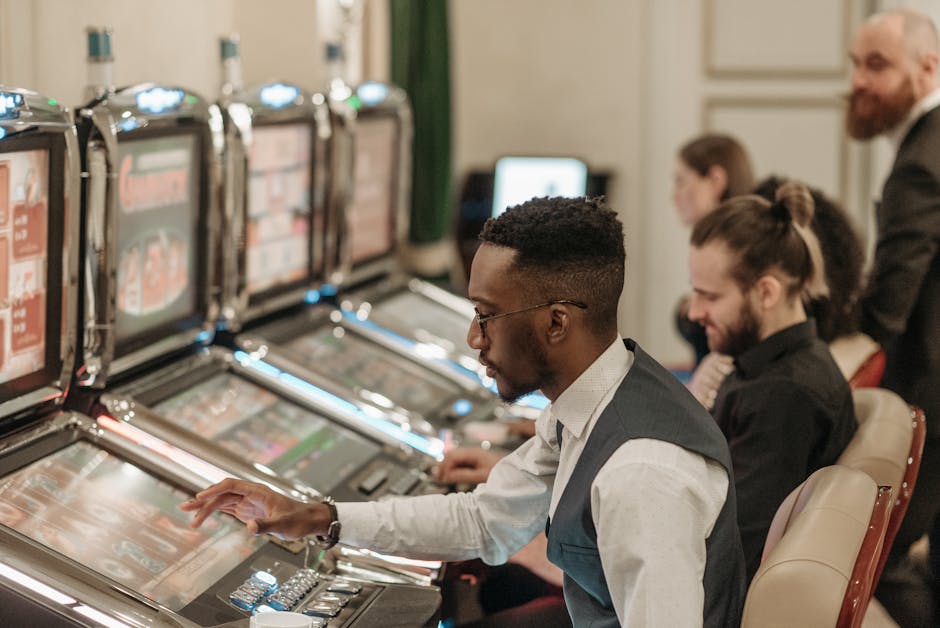
We see this "convenience as trust" model most clearly in the world of short-session entertainment—specifically apps that integrate live dealer interaction or real-time gameplay. When a user is in the middle of a live session, they don't want to leave the experience to top up their funds. If the payment process is integrated, fast, and seamless, the user stays in the "flow state."
This is where "live dealer and real-time interaction" comes into play. If I’m interacting with a service in real-time, I expect my money to behave the same way. If I make a payment, I want to see the balance update instantly. If it doesn't, the anxiety sets in. That gap—the few seconds between paying and the app acknowledging the receipt—is where trust goes to die. Developers have mobile onboarding casino realised that to keep users engaged, they must guarantee that payments happen at the speed of thought.
Comparison: Legacy Desktop vs. Mobile-First UX
To really see the difference, it’s worth looking at how these two experiences stack up in the real world.
Feature Legacy Desktop Experience Modern Mobile-First Experience Access Speed Slow (boot-up, login, manual entry) Instant (biometric, auto-fill) Trust Signal "Official" looking, static web pages Responsive, real-time balance updates User Friction High (password recovery, manual input) Low (one-touch, biometric confirmation) Focus Administrative (the "chore" mindset) Action-oriented (the "flow" mindset)Why "Secure Transactions" Must Feel Invisible
There is a dangerous tendency for corporations to use the word "secure" as a justification for bad design. I’ve heard plenty of UX designers say, "We have to make the user click four times to confirm, for security reasons." That is, frankly, rubbish.
True security is baked into the architecture, not the user journey. If you need me to manually verify my identity four times, you are offloading the burden of your security onto me. That is not a "smooth payment experience."
Today, trust is built through feedback loops. When I tap my phone, I get a haptic instant account access vibration. I see a checkmark. I get an instant push notification. That is the new language of trust. It tells me the system is working, it’s heard me, and it’s taken care of the heavy lifting. I don't need to see the gears turning; I just need to know the machine works when I press the button.
The Verdict: Convenience is the Only Metric that Matters
The reality is that we are all time-poor. We are juggling work, commuting, social obligations, and the constant digital noise of our smartphones. If a service provider wants my business, they have to respect my time. They do that by making their payment systems fast, responsive, and—most importantly—unobtrusive.
We have moved past the age where we equate "clunky" with "secure." We now know that the best software is the kind that feels like an extension of our own hands. If an app can handle my money with the same ease that it handles my photos or my messages, then I trust it. It’s not about the buzzwords; it’s about the reality of the daily grind. Keep the onboarding fast, keep the interface responsive, and above all, keep the payments invisible. That is how you win in a world where convenience is, quite literally, the most valuable currency we have.

Ultimately, the apps that succeed are the ones that understand that we aren't "banking." We are living our lives, and we just want to get through the transaction so we can get on with our day. The easier you make that, the more I’ll trust you with my money.